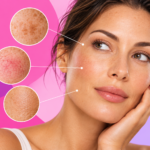

Post-inflammatory pigmentation after trauma is a biological response causing the production of excess melanin.
A minor cut, an acne lesion, friction from clothing, a cosmetic procedure or even an insect bite can cause pigment production that continues long after the surface is healed in melanin-rich skin.
Patients often tell us, “The mark wasn’t there at first. It appeared weeks later.” This timeline is common.
This article explains how post-inflammatory pigmentation develops, how it differs from melasma and scarring, what early warning signs to monitor, and whycontrolled intervention protects long-term skin stability.
What Is Post-Inflammatory Pigmentation After Trauma?
Post-inflammatory pigmentation refers to colour changes that develop after inflammation or injury.
The skin may look healed externally, yet pigment activity continues beneath the surface. The result can appear as:
- Brown marks
- Grey or slate-toned patches
- Shadow-like staining
- Uneven darkening in previously inflamed areas
In melanin-rich skin, this response is amplified.
Why Melanin-Rich Skin Produces More Persistent Pigment
Melanin functions as sun protection. It absorbs ultraviolet radiation and shields deeper structures from damage.
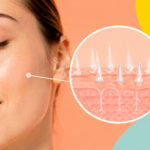
However, when inflammation occurs, melanocytes increase pigment production as part of the healing cascade. In darker skin tones, melanocytes are more active and respond more vigorously to inflammatory signals.
The injury does not need to be severe, and mild inflammation can be enough.
This is why post-inflammatory hyperpigmentation is more common and more persistent in Fitzpatrick skin types IV-VI.
Common Triggers Patients Often Overlook
Pigmentation after trauma is frequently linked to everyday behaviours.
Acne and Picking
Inflammatory acne lesions are one of the most common causes. Picking, squeezing or over-treating significantly increases the risk of dark marks that outlast the breakout itself. The incidence of postinflammatory hyperpigmentation in individuals with darker skin tones with acne can be as high as 65%.
Friction and Heat
Tight clothing, repeated rubbing, mask friction and even aggressive exfoliation can sustain low-grade inflammation.
Minor Burns and Cosmetic Procedures
Hair removal, peels, laser sessions performed without appropriate assessment or strong skincare actives can provoke pigment pathways if the melanocytes are not stable.
The skin does not differentiate between intentional and accidental injury. It responds to inflammation.
When Redness Turns Brown – Early Signs of Pigment Formation
In the first 2-4 weeks after injury, redness is expected.
When redness transitions into brown or grey discolouration, this suggests melanin deposition. At this stage, aggressive correction can worsen the outcome.
Early recognition allows intervention focused on calming and stabilising rather than accelerating.
Why Pigment Can Darken Weeks After the Skin Looks Healed
One of the most confusing aspects for patients is delayed darkening.
The inflammatory cascade continues beneath the surface even after visible redness resolves. Melanin production may persist for weeks. Exposure to heat or ultraviolet light during this phase can intensify the discolouration.
Post-Inflammatory Hyperpigmentation vs Melasma vs Dermal Staining
Not all pigmentation behaves the same way.
- Post-inflammatory hyperpigmentation follows a specific injury site
- Melasma tends to present symmetrically and has hormonal and vascular influences
- Dermal staining, such as haemosiderin staining from a bruise, appears grey or blue-toned and is slower to fade
Treating these conditions as though they are identical increases risk.
We provide a dedicated pigmentation cheat sheet for patients seeking clarity about what type of pigment they may be experiencing.
What Makes Pigmentation Worse Over Time
Even well-healed skin can relapse if destabilised.
Heat and Sun Exposure
Heat is a powerful melanocyte trigger. Sun exposure compounds pigment production even in the absence of visible burning.
Over-Exfoliation
Frequent acids, scrubs and unmonitored brightening routines disrupt the barrier, prolong inflammation and deepen marks.
Irritating Brightening Products
Temporary lightening can result in rebound darkening once the skin becomes inflamed again.
Why Barrier Repair Must Come Before Correction
Before targeting pigment directly, the skin must stabilise.
A healthy barrier reduces transepidermal water loss and limits ongoing inflammatory signalling. Without barrier integrity, pigment regulation remains unstable.
In many cases, initial treatment focuses on:
- Gentle cleansing
- Barrier-supportive moisturisers
- Consistent broad-spectrum sun protection
- Reducing friction and heat exposure
Correction without stability increases recurrence.
Prescription and Non-Prescription Options for Pigment Control
Pigment management may involve either prescription or non-prescription approaches, depending on severity, tolerance and patient preference.
Prescription skincare works at a cellular level to regulate melanin production gradually. Non-prescription options may support mild discolouration or maintenance once stability is achieved.
Top ingredients for suppressing melanin production include hydroquinone (the gold standard), Vitamin C, Kojic acid, Azelaic acid, Arbutin, and Tranexamic acid. These ingredients work by inhibiting tyrosinase, the enzyme responsible for melanin synthesis, or by blocking the transfer of pigment to skin cells.
Unstructured layering of brightening products often worsens outcomes due to the risk of onchronosis (with extended hydroquinone use) or failure of treatment due to using inappropriate products, amounts, or not using correctly.
When Energy-Based Treatments Are Appropriate and When They Should Wait
Laser and light-based treatments can play a role in pigment correction, especially for patients with melasma or solar damage.
In some cases, calming and strengthening precede any device-based intervention.
Slow, Controlled Correction Produces Better Outcomes
Pigmentation rarely responds well to urgency.
Gradual fading over months with consistent management produces more durable results than aggressive attempts at rapid clearance, although often pigmentation can be quickly cleared using the PicoSure Pro laser. Without proper maintenance, it will return.
Consultation-Led Care for Pigmentation After Trauma
At The Lovely Clinic, assessment precedes intervention.
We evaluate pigment depth, trigger history, skin type and tolerance before recommending a plan. For some patients, that means prescription skincare. For others, it may include carefully selected energy-based treatments delivered conservatively.
The objective is not temporary lightning. It is long-term clarity with preserved skin integrity.
Book a Medical Skin Consultation
If you have noticed dark marks appearing after acne, injury or cosmetic treatment, early assessment makes a difference.
A medical skin consultation allows us to identify the type of pigmentation, determine depth and trigger, and design a structured, safe plan tailored to melanin-rich skin.
Book your consultation at The Lovely Clinic to receive clear guidance grounded in biology, not trends.