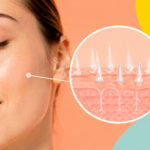

Cosmetic tattoo removal is no longer a niche request. As trends change and faces age, many people reassess decisions made years earlier. Brows can look too heavy, lip blush may fade unevenly, and eyeliner can migrate or soften in unflattering ways. Although often described as semi-permanent, cosmetic tattoos frequently last much longer than expected.
At The Lovely Clinic, we are seeing increasing demand for cosmetic tattoo removal using PicoSure®, chosen as a considered, medically led solution rather than a quick fix.
Unlike traditional tattoo removal, cosmetic tattoo removal requires a more nuanced approach. The pigments behave differently from those in a regular tattoo, as they are often mixed by the practitioner, the skin is often thinner, and the treatment areas are more visible. Precision matters. PicoSure® laser technology allows us to target unwanted cosmetic tattoo pigment with accuracy while prioritising skin safety, colour stability, and long-term results.
Why cosmetic tattoos often need removal
Cosmetic tattoos are intended to enhance features, but faces are not static. Over time, what once felt balanced can start to feel misplaced.
When brows, lips, and liner no longer suit your face
Brow shapes follow fashion. What was popular five or ten years ago may now appear too dark, too thick, or poorly positioned. Pigment can oxidise, turning ashy, red, or grey. Ageing skin changes elasticity and thickness, altering how ink sits within the dermis. Even well-applied tattoos can become asymmetrical as facial structure evolves.
Why cover-ups are not always the answer
Cover-ups often increase pigment density. Layering ink can result in a heavier appearance over time. Certain colour pigments found in cosmetic tattoos are more difficult to break down (reds, oranges and pinks), and repeated tattooing does not address underlying colour shifts or migration. Removal or controlled fading is often the safer, more strategic option.
How PicoSure® laser removes cosmetic tattoo pigment

PicoSure® works differently from older tattoo lasers, which is why it has become a preferred option for cosmetic tattoo removal.
What makes PicoSure® different
The laser delivers ultra-short picosecond pulses that create a photoacoustic effect. Instead of heating the pigment, it shatters ink particles into tiny fragments that the body can clear naturally. This reduces thermal damage to surrounding tissue and improves precision in delicate areas such as the brows, lips, and eyelids.
Why does cosmetic tattoo ink behave differently?
Cosmetic pigments often contain iron oxide and titanium dioxide. These compounds can react unpredictably to laser energy, sometimes darkening temporarily before fading (this is a totally normal occurrence). This is why specialist protocols are essential.
What cosmetic tattoos can be treated?
PicoSure® allows us to treat a wide range of cosmetic tattoo concerns when used within a medical framework.
Eyebrow tattoo removal
This includes microblading, powder brows, and combination techniques. Treatment aims may range from full removal to controlled fading to allow for correction.
Lip blush tattoo removal
Uneven fading, cool or grey tones, and pigment migration beyond the lip line can be addressed gradually.
Eyeliner tattoo removal
Precision is critical near the eyes. PicoSure® enables targeted treatment while safeguarding surrounding tissue. For this procedure, eye shields must be worn; therefore, the treatment is performed only by a doctor.
Correcting discolouration and pigment migration
Not all patients want a complete removal. In many cases, softening intensity or correcting colour imbalance is the goal.
Treatment experience, results, and safety
Cosmetic tattoo removal is a process, not a single event. Understanding this is key to achieving realistic outcomes.
How many sessions are needed
Most patients require multiple sessions, spaced several months apart. Gradual fading allows the skin to recover and reduces the risk of adverse reactions. The number of sessions depends on pigment colour, depth, and individual skin response.
Downtime and aftercare
Temporary redness or swelling is common and usually settles within days. Sun avoidance is essential, as UV exposure can interfere with pigment clearance and increase the risk of post-inflammatory hyperpigmentation. Aftercare guidance is tailored to skin type and treatment area.
Risks and limitations
Colour changes can occur, particularly with iron-based pigments. Skin type and vascularity influence treatment planning. Medical oversight ensures risks are identified early and managed appropriately.
Why a consultation-led approach matters
Cosmetic tattoo removal should never be approached with a one-size-fits-all mindset. At The Lovely Clinic, every treatment begins with a detailed consultation. We assess pigment composition, depth, skin type, and vascular structures before selecting laser parameters. This reduces the risk of over-treatment, scarring, or unwanted colour change. It also allows us to set clear expectations. Laser removal can significantly improve appearance, but perfection is not always possible. Honest guidance is part of ethical care.
Moving forward with confidence
For many patients, cosmetic tattoo removal is not about erasing the past. It is about restoring harmony and feeling comfortable in their skin again. PicoSure® offers a refined, evidence-based option when delivered within a medically driven framework. The goal is not speed, but safety, precision, and results that age well.
Contact The Lovely Clinic to book your consultation today.
Frequently Asked Questions
Can cosmetic tattoos be completely removed?
Complete removal is often impossible, as a slight shadow of the previous tattoo may remain; outcomes depend on pigment type, depth, and skin response. Most tattoos fade significantly rather than disappearing entirely.
Is PicoSure® safe for eyebrow tattoo removal?
Yes, when performed by experienced practitioners using appropriate protocols, PicoSure® is well-suited to eyebrow tattoo removal. It is important to note that parts of the eyebrow hair will go white as the laser targets the hair’s pigmentation, but the brows can be dyed, and the colour will return when the hair grows over 3-6 weeks.
Does cosmetic tattoo removal hurt?
Discomfort is usually mild to moderate and brief. Cooling measures are used to improve comfort.
Will my cosmetic tattoo change colour during treatment?
Temporary darkening can occur with certain pigments. This is discussed during consultation and managed with staged treatment.
How long should I wait before re-tattooing?
This varies, but the skin should be fully healed and pigment stabilised before any new cosmetic tattooing is considered.