
Summer can be a frustrating time for patients wanting to improve skin laxity. While many people notice sagging around the jawline, heavier skin under the chin, or a crepey texture becoming more noticeable in bright daylight, July and August are not always ideal months for aggressive resurfacing procedures.
At The Lovely Clinic we often advise caution with treatments that intentionally disrupt the surface of the skin during periods of high UV exposure. Deep chemical peels, more intensive ablative laser procedures, and stronger resurfacing treatments can temporarily compromise the skin barrier, increasing the risk of pigmentation problems if the skin is exposed to sunlight too soon after.
That is where treatments such as ULTRAcel Q+ have become increasingly popular. It offers lifting and firming without causing significant trauma to the skin’s surface, making it one of the more practical anti-ageing treatments for patients who still want results during the summer months.
Why are some skin-tightening treatments not ideal in summer?
Many patients are surprised to learn that not all aesthetic treatments are ideal during the summer months. Treatments that heavily resurface the skin can temporarily make it more sensitive to sunlight, increasing the risk of pigmentation in some people, even when SPF is used properly.
This is something we pay close attention to in the clinic, particularly during the UK summer when UV levels can still be high even on cloudy days.
Because of this, we often recommend treatments that work deeper within the skin without damaging the surface layer. These treatments can still stimulate collagen and improve firmness, but with far less downtime and less disruption to the skin barrier.
That is one of the reasons HIFU treatments, such as ULTRAcel Q+, are so popular in the summer. They work beneath the skin’s surface to help tighten and lift, while leaving the outer layer largely untouched.
What is ULTRAcel Q+?
ULTRAcel Q+ is a non-surgical skin tightening treatment that uses HIFU technology to help lift and firm the skin naturally.
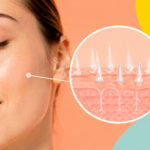
Rather than treating the skin’s surface, it works deeper within the tissue, where collagen and structural support are found. This includes the SMAS layer, which stands for the superficial musculoaponeurotic system, a deeper layer of tissue that helps support the face and is also targeted during surgical facelifts.
By stimulating collagen production within these deeper layers, the skin gradually becomes firmer, tighter and more lifted over time.
As the outer layer of the skin remains largely unaffected, downtime is usually minimal. Most patients experience only slight redness afterwards, with no peeling or visible skin shedding. Results appear gradually, creating a fresher, firmer look that still feels very natural.
Why is ULTRAcel Q+ considered a summer-safe skin tightening treatment?
The key reason is that the epidermis remains largely protected during treatment.
With more aggressive resurfacing procedures, the skin barrier can become vulnerable while healing. ULTRAcel Q+ works differently. The ultrasound energy passes through the surface without ablating or removing it.
In the clinic, we often describe it as treating the scaffolding beneath the skin rather than aggressively stripping the skin above it.
Patients can usually return to normal activities very quickly. Mild redness or swelling can happen, but this generally settles within hours rather than days. That makes it particularly useful if you:
- Have summer holidays planned
- Spend time outdoors regularly
- Want anti-ageing treatment without visible downtime
- Are prone to pigmentation
- Cannot realistically avoid sunlight for prolonged periods
Of course, proper sun protection still matters. We still advise broad-spectrum SPF daily after any aesthetic treatment. However, the overall risk profile is very different from that of deeper resurfacing procedures.
What areas can ULTRAcel Q+ treat?
One of the reasons ULTRAcel Q+ is such a popular treatment is that it can be used in several areas where skin starts to lose firmness over time.
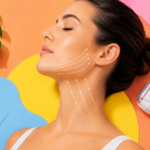
Most patients initially come in concerned about softening around the jawline or early sagging in the lower face, but the treatment can also be used on the:
- Jawline
- Lower face
- Neck
- Chin area
- Cheeks
- Brow area
- Décolletage
For patients with mild to moderate skin laxity, we would often start by focusing on the jawline and lower face to create a firmer, more defined appearance. Patients in their thirties and forties often respond especially well, as the skin still has good collagen-building potential.
In more advanced cases, skin laxity is not always the only concern. There can also be volume loss, changes in skin texture, or heavier tissue descent. In these situations, combination treatments often give the best overall result, depending on the skin and the level of correction needed.
Who is a good candidate for ULTRAcel Q+?
ULTRAcel Q+ tends to work best for mild to moderate skin laxity and those looking for a fresher, firmer appearance without surgery. It is not designed to replicate a surgical facelift.
It is suitable for patients who notice:
- Softening jawline definition
- Mild jowl formation
- Looser neck skin
- Skin that feels less firm than it once did
- Early facial sagging
- Mild brow descent
In the clinic, we often see patients who are not ready for surgery but feel injectable treatments alone are no longer giving enough structural support. ULTRAcel Q+ can bridge that gap well.
Can ULTRAcel Q+ be combined with other treatments?
Skin ageing rarely involves just one issue. Laxity, dehydration, collagen loss, pigmentation and volume depletion often occur together. Our combination approaches are tailored to your skin quality, age, and treatment goals.
ULTRAcel Q+ is often combined with treatments such as:
- Skin boosters for hydration and skin quality
- Polynucleotides to support tissue regeneration
- Anti-wrinkle injections for dynamic lines
- Dermal fillers where structural volume loss is contributing to heaviness
- Medical-grade skincare to maintain collagen health
FAQs About ULTRAcel Q+
Can I have ULTRAcel Q+ in summer?
Yes. ULTRAcel Q+ is considered a summer-safe skin-tightening treatment because it targets deeper tissue layers without significantly damaging the skin’s surface.
How many ULTRAcel Q+ treatments will I need?
Many patients benefit from a single treatment, although some may require additional sessions depending on the degree of laxity and treatment goals.
Is ULTRAcel Q+ better than radiofrequency?
They work differently. ULTRAcel Q+ targets deeper structural layers with focused ultrasound, whereas radiofrequency generally acts more superficially. In some cases, the two can complement each other well.
Can ULTRAcel Q+ replace a facelift?
No. It can improve mild-to-moderate laxity but will not replicate surgical facelift results.
Is ULTRAcel Q+ suitable for younger patients?
Yes, particularly for preventative collagen support or early skin laxity.
When will I see full results?
Most patients see gradual improvement over 2 to 3 months as collagen production develops.
Considering summer-safe skin tightening in London?
If you are considering skin tightening treatment this summer but want to avoid more aggressive resurfacing procedures, ULTRAcel Q+ can be a great option for achieving firmer, more lifted-looking skin with minimal downtime.
At The Lovely Clinic in London, every treatment plan is tailored to your skin, concerns, and long-term goals. During your consultation, we can assess whether ULTRAcel Q+ is the right approach on its own or whether combining it with other treatments would yield the most natural and effective results.
To find out more or book a consultation, get in touch with the team today.